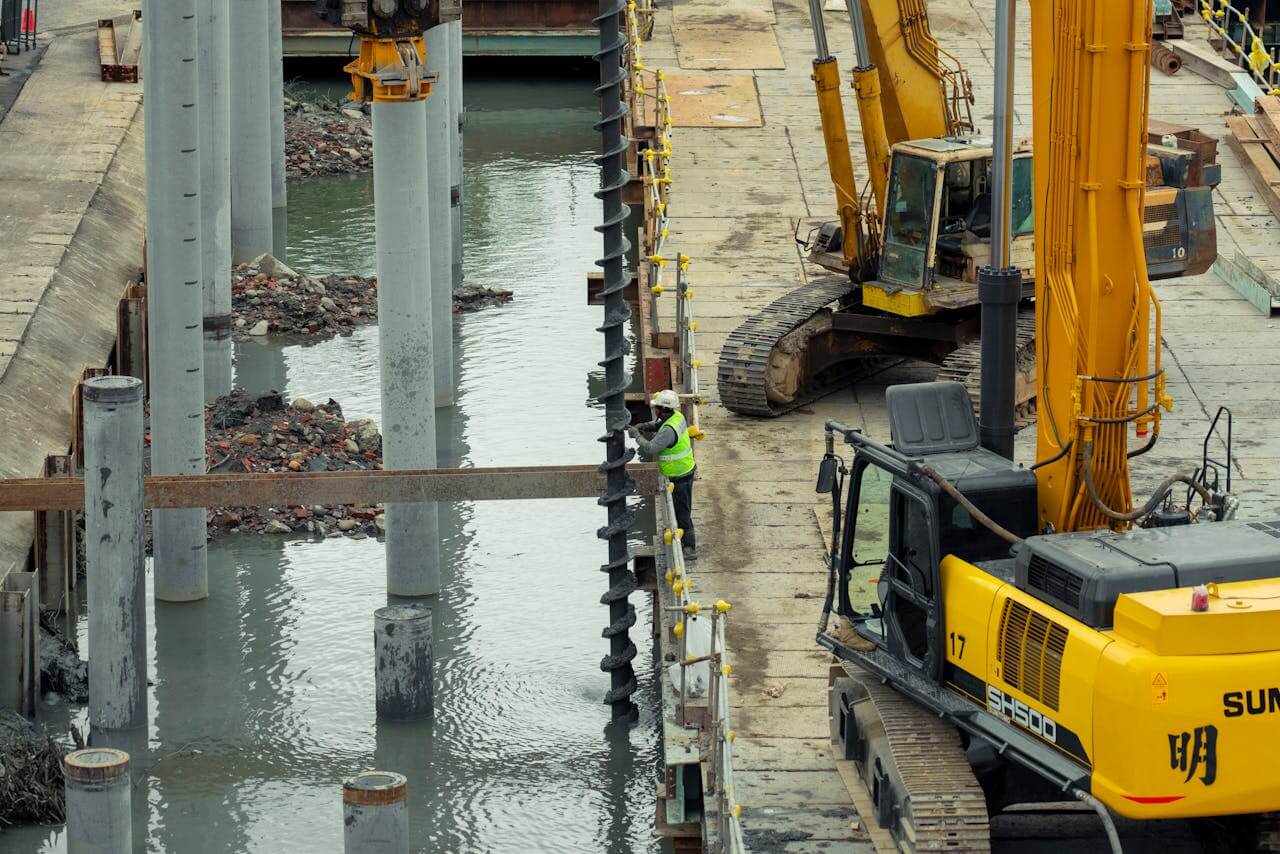
A reliable water supply network is the lifeline of any community, industry, or commercial development. At Allon Consulting, we design and construct complete water supply systems—from source development to final distribution. Our integrated approach ensures that every component, whether a borehole, pumping station, storage tank, or pipeline, works in harmony to deliver safe, adequate, and pressurized water to end users. We combine hydrogeological expertise, hydraulic modeling, and construction best practices to create systems that are sustainable, resilient, and compliant with all regulatory standards.
1. Source Development
The first step in any water supply project is securing a dependable source. We evaluate both groundwater and surface water options based on availability, quality, and long‑term yield.
1.1 Borehole (Groundwater) Development
Groundwater is often the preferred source due to its consistent quality and natural protection from contamination. Our borehole services include:
- Hydrogeological Investigations
We conduct desk studies, geophysical surveys (resistivity, electromagnetic), and test drilling to identify the most productive aquifers. Pumping tests are performed to determine sustainable yield, drawdown characteristics, and optimal pump placement. - Borehole Drilling
Using mud rotary, air rotary, or percussion methods, we drill boreholes ranging from 50 to 300 meters deep, depending on aquifer depth. Borehole diameters are sized to accommodate submersible pumps and provide adequate annular space for gravel packing. - Well Construction and Development
We install steel or PVC casing with slotted screens matched to the aquifer grain size. The annular space is filled with filter pack and sealed with bentonite and grout to prevent surface contamination. Development methods (overpumping, surging, air lifting) remove fine particles and enhance well efficiency. - Pump Selection and Installation
Submersible pumps are selected based on dynamic water level, required flow rate, and total dynamic head. We specify motors, control panels, and variable frequency drives (VFDs) for energy‑efficient operation. Pumping tests confirm performance. - Water Quality Testing
Samples are analyzed for physical, chemical, and bacteriological parameters (pH, turbidity, hardness, iron, manganese, coliforms) to ensure compliance with drinking water standards. Treatment systems are designed if required. - Borehole Protection
We construct concrete wellhead protection structures with locking covers, vermin‑proof vents, and drainage to prevent contamination. Sanitary seals are installed at the surface.
1.2 Surface Water Intakes
Where groundwater is insufficient, we develop surface water sources (rivers, lakes, reservoirs). Services include:
- Hydrological Assessment
Analysis of flow regimes, water levels, and seasonal variations to ensure reliable abstraction. - Intake Structures
Design of screened intakes, pumping stations, and raw water transmission lines. We incorporate coarse screens, fine screens, and sometimes fish protection devices. - Raw Water Pumping
Selection of vertical turbine or submersible pumps with appropriate corrosion‑resistant materials.
2. Water Storage Tanks
Storage tanks provide operational flexibility, fire protection, and pressure equalization. We design and construct various tank types based on site conditions and project requirements.
2.1 Surface Tanks (Ground‑Level Reservoirs)
Ground‑level storage is ideal for large volumes, often serving as clear wells at treatment plants or as distribution reservoirs.
- Reinforced Concrete (RCC) Tanks
We construct circular or rectangular tanks using cast‑in‑place or precast concrete. Design follows ACI 350 (environmental structures) with waterproofing additives, expansion joints, and corrosion‑resistant coatings. Capacities range from 500 m³ to 20,000 m³. - Steel Welded Tanks
For industrial or temporary applications, we use shop‑fabricated or field‑erected steel tanks with AWWA D100 standards. Interior and exterior coatings protect against corrosion. - Glass‑Fused‑to‑Steel (GFS) Tanks
Bolt‑together tanks with a glass coating offer durability and rapid installation. They are commonly used for water storage in remote areas.
2.2 Overhead Tanks (Elevated Storage)
Elevated tanks provide gravity‑fed pressure, eliminating the need for booster pumps in many low‑rise areas.
- Steel Elevated Tanks
Traditional water towers with capacities from 200 m³ to 5,000 m³. We design spheroids, fluted columns, or composite structures (concrete pedestal with steel bowl) per AWWA D100 or D107. - Composite Elevated Tanks
Concrete pedestal with steel tank offers low maintenance and aesthetic appeal. - RCC Elevated Tanks
Reinforced concrete intze tanks or shaft‑supported tanks are used for smaller capacities and where steel is less economical. - Hydraulic Design
We determine tank elevation and capacity based on peak hour demand, fire flow requirements, and pressure zones. Level controls, overflow pipes, and inlet/outlet configurations are designed to prevent stagnation and ensure water quality.
3. Pumping Stations
Pumping stations convey water from source to storage and through distribution networks. Our designs prioritize energy efficiency, reliability, and ease of maintenance.
- Booster Pumping Stations
Installed along transmission mains or within distribution networks to increase pressure. We select horizontal split‑case, vertical turbine, or in‑line pumps based on flow and head requirements. - Variable Frequency Drives (VFDs)
VFDs adjust pump speed to match demand, reducing energy consumption and minimizing water hammer. - Surge Protection
Surge analysis is performed to design appropriate protection (surge tanks, air valves, hydropneumatic tanks) to prevent pipe bursts from pressure transients. - Control and Monitoring
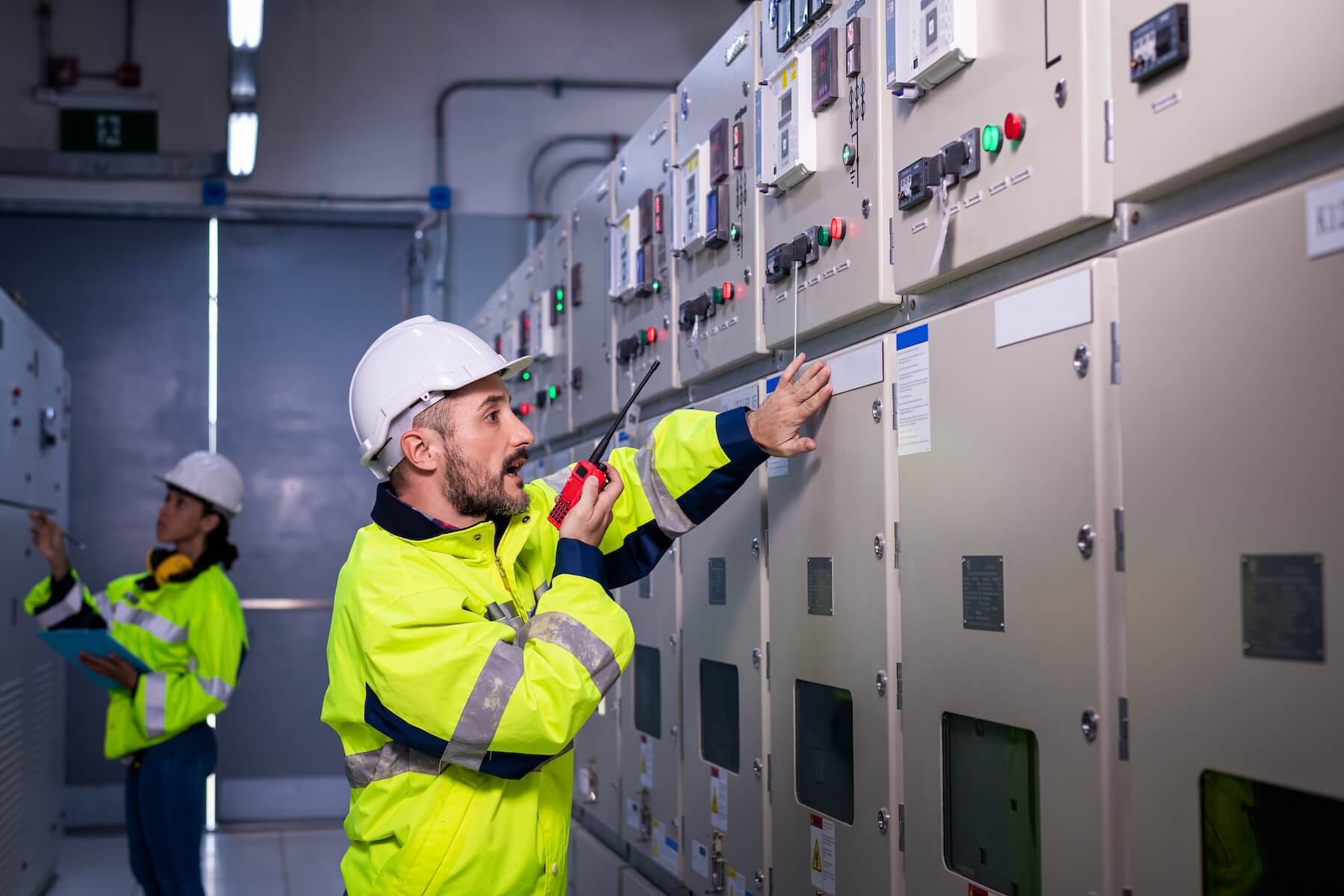
Pump stations are equipped with PLC‑based control panels, remote telemetry (SCADA), and backup power (generators or battery systems). Flow meters, pressure transducers, and level sensors provide real‑time data.
4. Transmission and Distribution Pipelines
The pipeline network is the circulatory system of any water supply. We design, construct, and rehabilitate pipelines to deliver water efficiently and safely.
4.1 Pipe Materials and Selection
We select pipe materials based on pressure rating, soil conditions, water quality, and cost.
- Ductile Iron (DI)
Widely used for transmission mains. Offers high strength, impact resistance, and longevity (50+ years). We specify cement mortar lining and polyethylene encasement for corrosion protection. - High‑Density Polyethylene (HDPE)
Flexible, corrosion‑proof, and ideal for trenchless installations. We use butt fusion joints for leak‑free performance. SDR ratings are selected to withstand operating and surge pressures. - Polyvinyl Chloride (PVC)
Lightweight and cost‑effective for smaller diameters (≤ 600 mm). We use AWWA C900 (for water) with push‑on or gasketed joints. - Steel Pipe (SP)
Used for large diameters, high pressures, or river crossings. We apply fusion‑bonded epoxy coatings and cathodic protection where needed.
4.2 Hydraulic Design
We perform hydraulic modeling using software like EPANET, WaterGEMS, or InfoWorks to:
- Size pipelines based on peak hour and fire flow demands.
- Optimize pressure zones to avoid excessive pressure (which can cause leaks) or insufficient pressure.
- Analyze chlorine decay and water age to maintain water quality.
- Design distribution network layout (grid, looped, or branched) to ensure redundancy and reliability.
4.3 Trenching and Backfill
Construction follows strict procedures:
- Trench Excavation
Shoring or sloping per OSHA and local safety standards. Trench bottom prepared to specified grade and bedding. - Bedding and Pipe Laying
Granular bedding (e.g., crushed stone) placed to support pipe uniformly. Pipe joints assembled, and alignment checked with lasers or GPS. - Backfill and Compaction
Select backfill placed in lifts and compacted to 95% standard Proctor density. Testing (nuclear density gauge) ensures compliance. - Thrust Restraint
Concrete thrust blocks or restrained joints used at fittings, valves, and bends to prevent separation.
4.4 Trenchless Technologies
When open‑cut is impractical (under roads, railways, or environmentally sensitive areas), we employ:
- Horizontal Directional Drilling (HDD)
Long‑distance drilling with minimal surface disruption. Pilot hole, reaming, and pipe pullback operations. - Pipe Jacking / Microtunneling
Used for large diameters and accurate grade control. - Slip Lining
Inserting a smaller pipe into an existing pipe for rehabilitation.
4.5 Valves, Hydrants, and Appurtenances
We install essential components for system operation:
- Gate Valves – for isolation during repairs.
- Butterfly Valves – for flow control.
- Air Release Valves – to expel trapped air at high points.
- Blow‑off Valves – for flushing sediment and for system draining.
- Fire Hydrants – wet‑barrel or dry‑barrel types per fire protection requirements.
- Water Meters – bulk meters for district metering and revenue tracking.
5. Water Quality Management
Maintaining water quality from source to tap is paramount. We incorporate:
- Chlorination Systems
Injection of chlorine (gas, liquid, or solid) for disinfection. We design contact tanks and residual monitoring. - Corrosion Control
pH adjustment, orthophosphate addition, or cathodic protection to prevent lead/copper leaching and pipe corrosion. - Cross‑Connection Control
Backflow prevention devices (RPZ, double check valves) to protect potable water from contamination. - Flushing Programs
Unidirectional flushing to remove sediment and maintain chlorine residuals.
6. Regulatory Compliance and Permitting
Our team navigates the regulatory landscape:
- Water Rights and Abstraction Licenses
Applications for groundwater or surface water extraction. - Environmental Impact Assessments
Studies for source development, pipeline routing, and tank construction. - Drinking Water Standards
Compliance with Safe Drinking Water Act, provincial/state regulations, and local bylaws.
7. Typical Projects
- Rural Water Supply Scheme
Designed and constructed a system comprising three boreholes, a 1,000 m³ ground‑level tank, a 500 m³ elevated tank, 25 km of HDPE distribution mains, and 1,500 service connections. Included solar‑powered pumping to reduce operational costs. - Industrial Park Water Supply
Developed a 500 m³/day surface water intake, 2,000 m³ RCC reservoir, and 8 km of ductile iron transmission main. Provided fire flow capacity meeting insurance requirements. - Municipal Water System Upgrade
Replaced 20 km of aging cast iron mains with PVC, added district metering, and installed six booster stations with SCADA. Reduced non‑revenue water from 35% to 12%. - Emergency Water Supply
Rapidly deployed temporary above‑ground pipelines and portable water treatment for a community affected by natural disaster.
Our water supply network services are backed by decades of experience and a commitment to quality. We ensure that every component—from borehole to tap—is designed for long‑term reliability, safety, and efficiency.