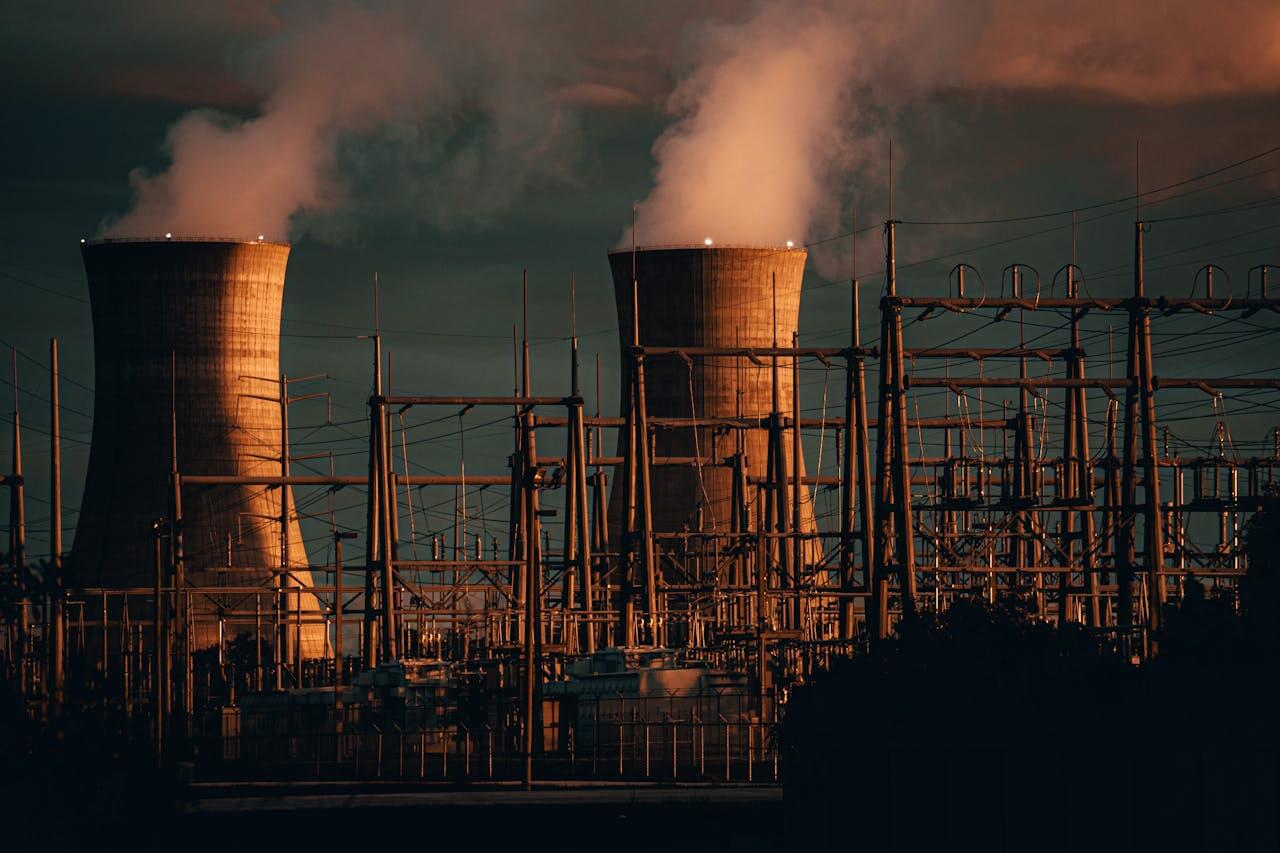
Reliable electrical power is the lifeblood of modern infrastructure. At Allon Consulting, we design and construct complete power supply facilities—from utility connections to on‑site distribution—ensuring safe, uninterrupted power for industrial, commercial, and municipal clients. Our expertise spans substations, switchgear, transformers, generators, and medium‑voltage networks, all delivered with a focus on reliability, efficiency, and regulatory compliance.
1. Utility Coordination and Service Entry
The first step is establishing a connection to the electrical grid:
- Load Analysis
We determine peak demand, load profile, and criticality of loads to size the service and backup requirements. - Utility Coordination
We liaise with local utilities to obtain service agreements, determine point of connection, and coordinate metering and transformer ownership. - Service Entrance
Design of overhead or underground service laterals, metering equipment, and main disconnect switches. We ensure compliance with utility requirements and national electrical codes.
2. Substation Design and Construction
For large facilities or industrial parks, we construct primary substations that step down voltage from transmission to distribution levels.
- Substation Types
- Outdoor Substations – for large industrial or municipal sites, with steel structures, transformers, switchgear, and protection relays.
- Indoor Substations – compact, enclosed designs for urban or space‑constrained sites.
- Transformers
We specify and install liquid‑filled (mineral oil, ester) or dry‑type transformers, sized for load and future growth. On‑load tap changers for voltage regulation. - Switchgear and Protection
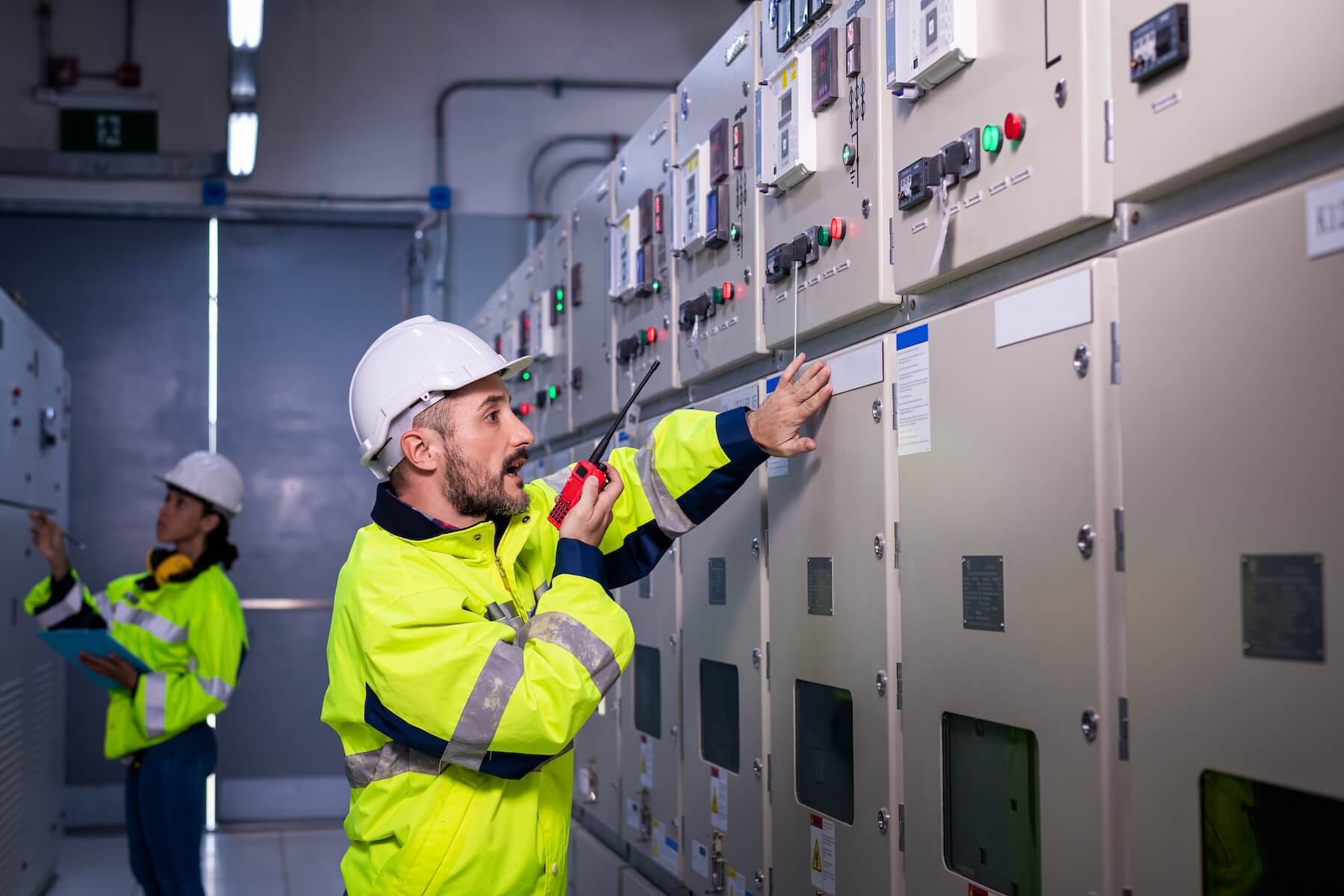
Medium‑voltage switchgear (up to 35 kV) with vacuum or SF6 circuit breakers. Protective relays (differential, overcurrent, ground fault) coordinate with upstream utility protection. - Grounding and Lightning Protection
Extensive grounding grids with buried copper conductors ensure safety and equipment protection. Surge arresters and lightning rods installed per IEEE 142. - Cable Trench and Duct Bank Systems
Underground distribution from substation to loads via concrete‑encased duct banks or direct‑buried cable with warning tape.
3. Medium‑Voltage Distribution
We design distribution networks that reliably deliver power across large sites:
- Ring Main Units (RMUs)
Provide redundant feeds to critical loads. Normally open loops allow for isolation and maintenance without interruption. - Pad‑Mounted Transformers
Oil‑filled transformers on concrete pads, serving localized loads. We design secondary service cabinets with meters and main breakers. - Cable Sizing and Protection
Cables sized for ampacity and voltage drop; overcurrent protection coordinated for selective tripping.
4. Low‑Voltage Distribution and Motor Control
Power is distributed throughout buildings and facilities via:
- Switchboards and Panelboards
Main switchboards with main breaker, distribution sections, and feeder breakers. Panelboards for lighting, receptacles, and equipment. - Motor Control Centers (MCCs)
Enclosures with starters, VFDs, and protection for pumps, fans, conveyors, and other motor loads. - Transformers (Step‑Down)
Dry‑type transformers for secondary distribution (e.g., 480V to 208/120V) with proper ventilation and sound enclosures.
5. Standby Power Systems
We ensure critical operations continue during outages:
- Generator Selection
Diesel, natural gas, or bi‑fuel generators sized for the full facility load or only critical loads (e.g., life safety, data centers). Paralleling switchgear for multiple units. - Automatic Transfer Switches (ATS)
Open‑transition or closed‑transition switches that monitor utility power and automatically start/transfer to generator. - Fuel Systems
Bulk fuel storage tanks, day tanks, fuel polishing, and leak detection to ensure reliable operation. - Generator Enclosures and Acoustics
Sound‑attenuated enclosures for noise‑sensitive areas; weather‑protected for outdoor installations.
6. Renewable Energy Integration
We incorporate sustainable power sources:
- Solar PV Systems
Rooftop or ground‑mounted arrays with inverters, DC combiners, and grid interconnection. We design for net metering, battery storage, or microgrids. - Battery Energy Storage Systems (BESS)
Lithium‑ion or flow batteries for peak shaving, demand response, and backup power. - Microgrid Controls
Energy management systems that optimize generation, storage, and load dispatch.
7. Construction and Installation
We manage the entire electrical construction process:
- Trenching and Duct Banks
Excavation, installation of PVC or fiberglass conduits with concrete encasement, and backfill with warning tape. - Cable Pulling and Termination
Proper tension, bending radii, and pulling lubricants to protect insulation. Terminations by certified technicians using torque tools. - Switchgear and Panel Installation
Anchoring, bus connections, and cable dressing. We conduct insulation resistance testing, megger testing, and hi‑pot testing. - Commissioning
Functional testing of all equipment, protective relay coordination, and load testing. We provide as‑built drawings, manuals, and operator training.
8. Safety and Compliance
Safety is embedded in every project:
- Arc Flash Studies
We perform incident energy analysis and label equipment with arc flash boundaries and PPE requirements. - Short‑Circuit and Coordination Studies
Using SKM or ETAP, we verify protective devices are rated and coordinated. - Grounding and Bonding
All metallic structures bonded to grounding system; step and touch potentials mitigated. - Permitting and Inspections
We secure electrical permits and coordinate with local authorities having jurisdiction (AHJ) for inspections.
9. Typical Projects
- Manufacturing Plant Substation
Designed and constructed a 34.5 kV outdoor substation with two 10 MVA transformers, 15 kV distribution switchgear, and a 3 MW backup generator. Reduced downtime by 99%. - Municipal Water Treatment Plant
Upgraded electrical service from 480V to 13.8 kV, installed new switchgear, and added redundant utility feeds. Included SCADA integration and VFDs for large pumps. - Data Center Power Infrastructure
Provided 2N redundant electrical distribution with two utility feeds, multiple generators, and UPS systems. Achieved Tier III certification. - Solar Microgrid for Remote Community
Installed 2 MW solar array with 1 MW / 4 MWh battery storage, replacing diesel generation. Reduced fuel consumption by 80%.
Our power supply facility services are designed to deliver safe, reliable, and efficient electrical infrastructure that meets the demands of today and the challenges of tomorrow.