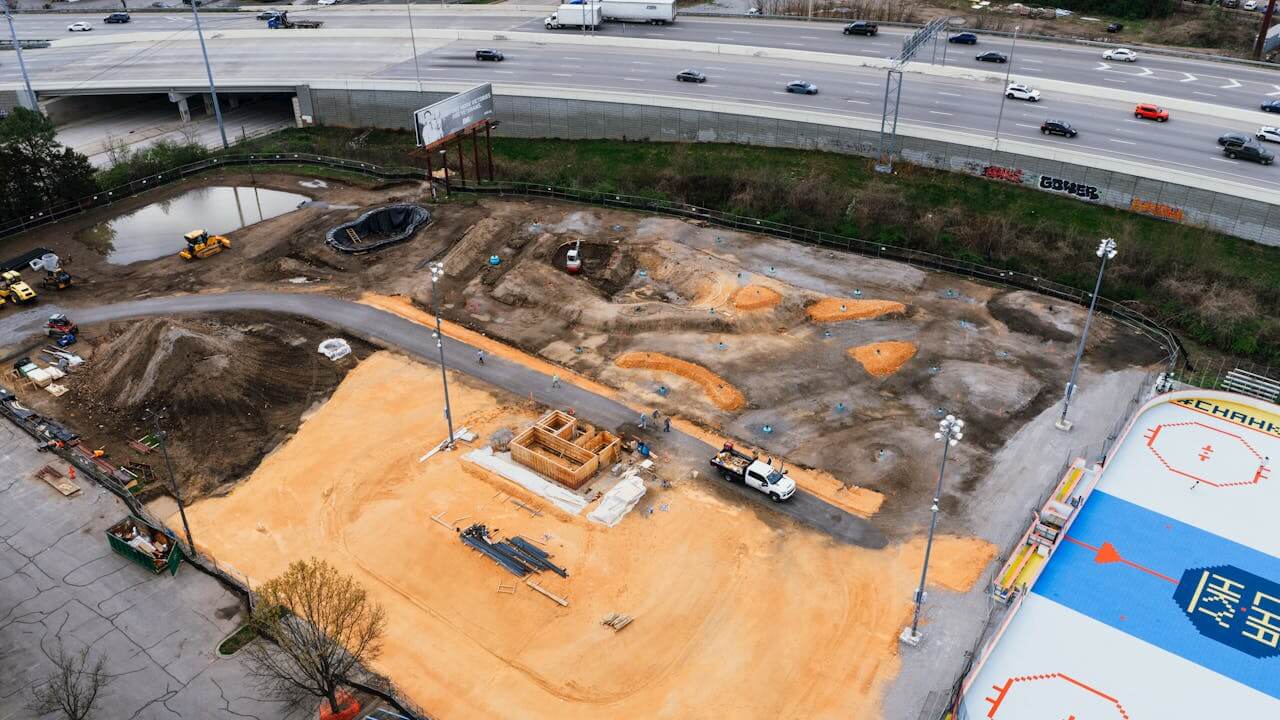
Before any construction can begin, the site must be prepared. At Allon Consulting, we provide comprehensive site clearance and earthworks services—clearing vegetation, removing unsuitable materials, excavating, and shaping the land to create a stable foundation for your project. Our experienced crews and modern equipment ensure that earthworks are completed safely, on schedule, and within budget, while adhering to environmental and regulatory requirements.
1. Site Investigation and Planning
We start with a thorough understanding of site conditions:
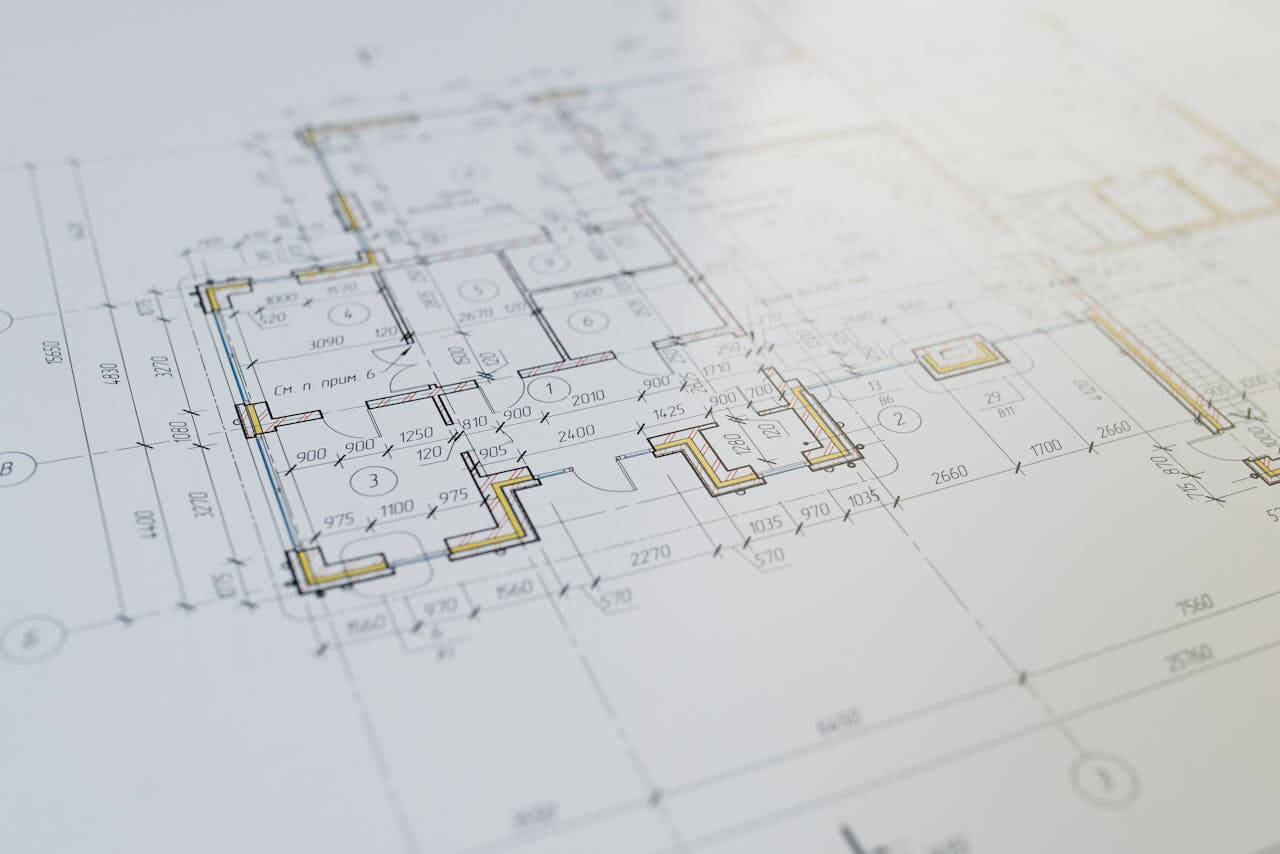
- Topographic Survey
Detailed mapping of existing ground elevations, structures, utilities, and boundaries. Digital terrain models guide cut/fill calculations. - Geotechnical Investigation
Boreholes and test pits to determine soil types, bearing capacity, water table, and presence of contaminants. Lab testing for compaction and settlement characteristics. - Environmental Assessment
Identification of wetlands, endangered species habitats, and potential contamination (e.g., underground tanks, asbestos). We develop mitigation plans. - Site Layout
Staking of clearing limits, stockpile areas, erosion control measures, and access roads.
2. Clearing and Grubbing
We remove all vegetation and debris that would interfere with construction:
- Vegetation Removal
Selective or complete clearing of trees, shrubs, and brush. Trees may be chipped, mulched, or removed as logs. - Grubbing
Removal of stumps, roots, and organic material. Roots are excavated to a specified depth (typically 0.5‑1 m) to prevent future settlement. - Topsoil Stripping
Removal of topsoil (often 150‑300 mm thick) and stockpiling for later landscaping or off‑site use. Topsoil is segregated from subgrade materials. - Debris Disposal
Material is sorted: green waste may be chipped or composted; stumps disposed at approved facilities. We track manifesting for waste compliance.
3. Earthworks – Cut and Fill
We move earth to achieve design grades:
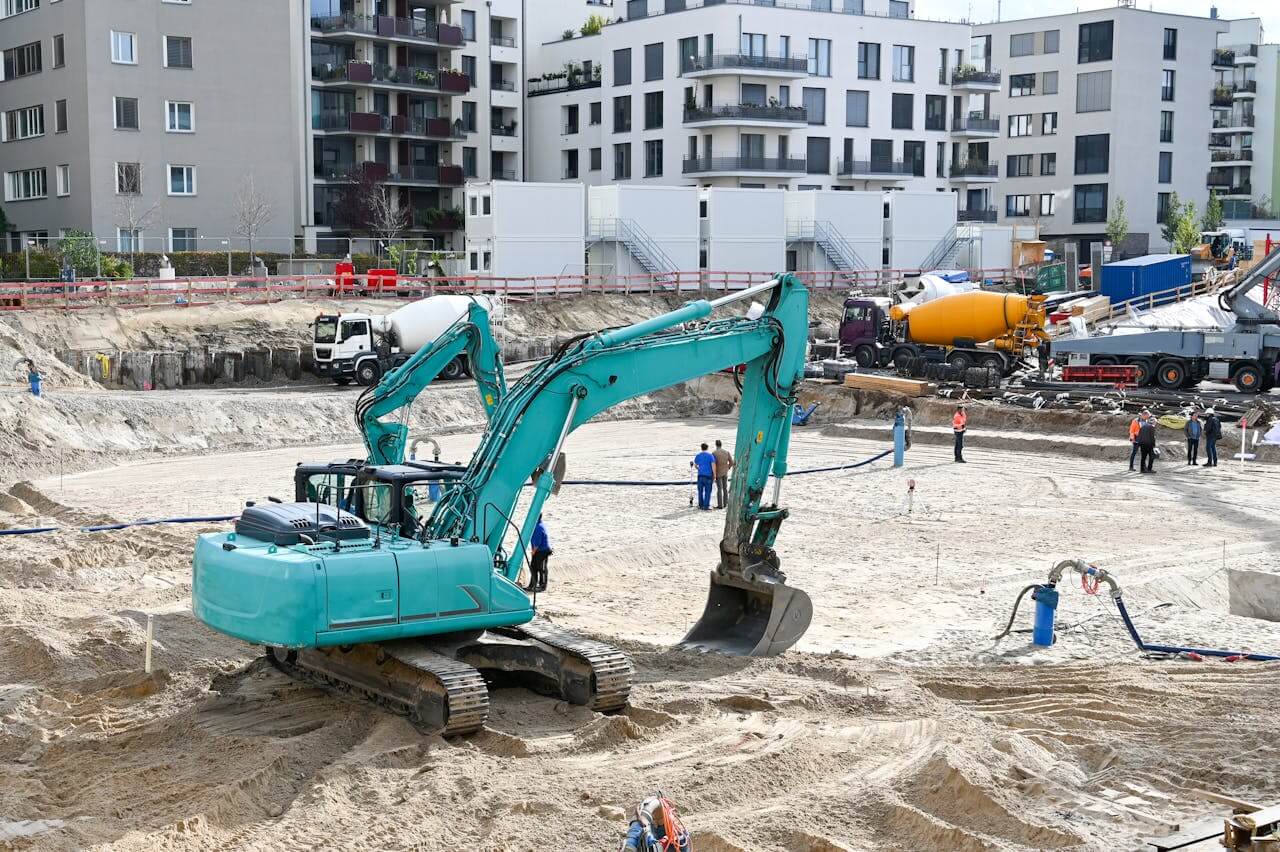
- Excavation
Using hydraulic excavators, dozers, and scrapers, we excavate to design depths. Rock or hard materials may require ripping or blasting (with proper permits). - Fill Placement
Imported or on‑site borrow material is placed in controlled lifts (typically 200‑300 mm thickness) and compacted to specified density. - Cut/Fill Optimization
We balance cut and fill to minimize haul distances, reducing cost and environmental impact. Excess material is hauled to designated spoil sites. - Compaction
Vibratory rollers, padfoot rollers, or smooth drum rollers achieve required density (usually 95% of modified Proctor). Nuclear density gauges or sand cone tests verify.
4. Subgrade Preparation
For foundations, pavements, and building pads, we prepare the subgrade:
- Proof Rolling
Compaction equipment is run over the subgrade to identify soft spots. Any unstable areas are undercut and replaced with suitable material. - Moisture Conditioning
Adding water or drying to achieve optimum moisture content for compaction. - Geosynthetic Placement
Geotextiles separate subgrade from fill; geogrids reinforce weak soils; drainage composites may be installed.
5. Erosion and Sediment Control
We implement controls to prevent off‑site impacts:
- Silt Fences
Filter fabric barriers installed along slopes and drainage pathways. - Sediment Basins
Temporary ponds with outlet structures to capture sediment before water leaves the site. - Stabilization
Hydroseeding, erosion control blankets, or tackifiers applied to exposed soils. - Inlet Protection
Geotextile wraps or gravel filters around storm drain inlets.
6. Dewatering
When excavations encounter groundwater, we manage water:
- Wellpoints
Shallow wells with pumps to lower the water table. - Deep Wells
For deeper excavations, submersible pumps installed in bored wells. - Sump Pumping
Collection pits with pumps to remove seepage. - Water Treatment
If water contains sediment or contaminants, we treat (e.g., settlement ponds, filtration) before discharge.
7. Special Earthworks
7.1 Soil Stabilization
For weak or expansive soils, we improve properties:
- Lime or Cement Stabilization
Mixing lime or cement into the soil to reduce plasticity and increase strength. - Mechanical Stabilization
Blending granular materials to improve gradation and compaction. - Wick Drains
Vertical drains combined with surcharging accelerate consolidation of soft clays.
7.2 Rock Excavation
When bedrock is encountered:
- Ripping
Using D10‑size dozers or rippers for weathered rock. - Drilling and Blasting
For competent rock, we design controlled blasts with pre‑split techniques to protect adjacent structures. Vibration monitoring ensures compliance. - Rock Breaking
Hydraulic breakers or expansive grout for sensitive areas.
8. Quality Control and Testing
We maintain rigorous quality assurance:
- Density Testing
Nuclear gauge or sand cone tests every 500‑1,000 m² per lift. - Moisture Content
Oven‑dried samples to verify optimum moisture. - Proof Roll
Visual inspection and deflection measurement after compaction. - Survey Monitoring
GPS or total station to verify grades and slopes.
9. Safety and Environmental Compliance
- Safety Plans
Trench safety, heavy equipment operation, and traffic control for site access. - Dust Control
Water trucks or dust suppressants to minimize airborne particles. - Waste Management
Proper disposal of unsuitable materials, contaminated soils, and construction debris.
10. Typical Projects
- Industrial Site Preparation
Cleared 40 hectares, excavated 300,000 m³, placed 250,000 m³ of fill, and installed erosion controls. Completed in 8 months. - Residential Subdivision Earthworks
Graded 20 hectares for 150 lots, balancing cut/fill to eliminate off‑site hauling. Installed stormwater ponds and utility corridors. - Mine Site Rehabilitation
Re‑contoured waste rock dumps, placed topsoil, and established vegetation on 50 hectares. Designed to meet closure requirements. - Highway Cut and Fill
Excavated 1.2 million m³ of rock and earth for a new highway alignment; used GPS‑guided equipment for precise grade.
Our site clearance and earthworks services lay the groundwork for successful construction projects. With careful planning, modern equipment, and experienced crews, we ensure your site is ready for the next phase of development.