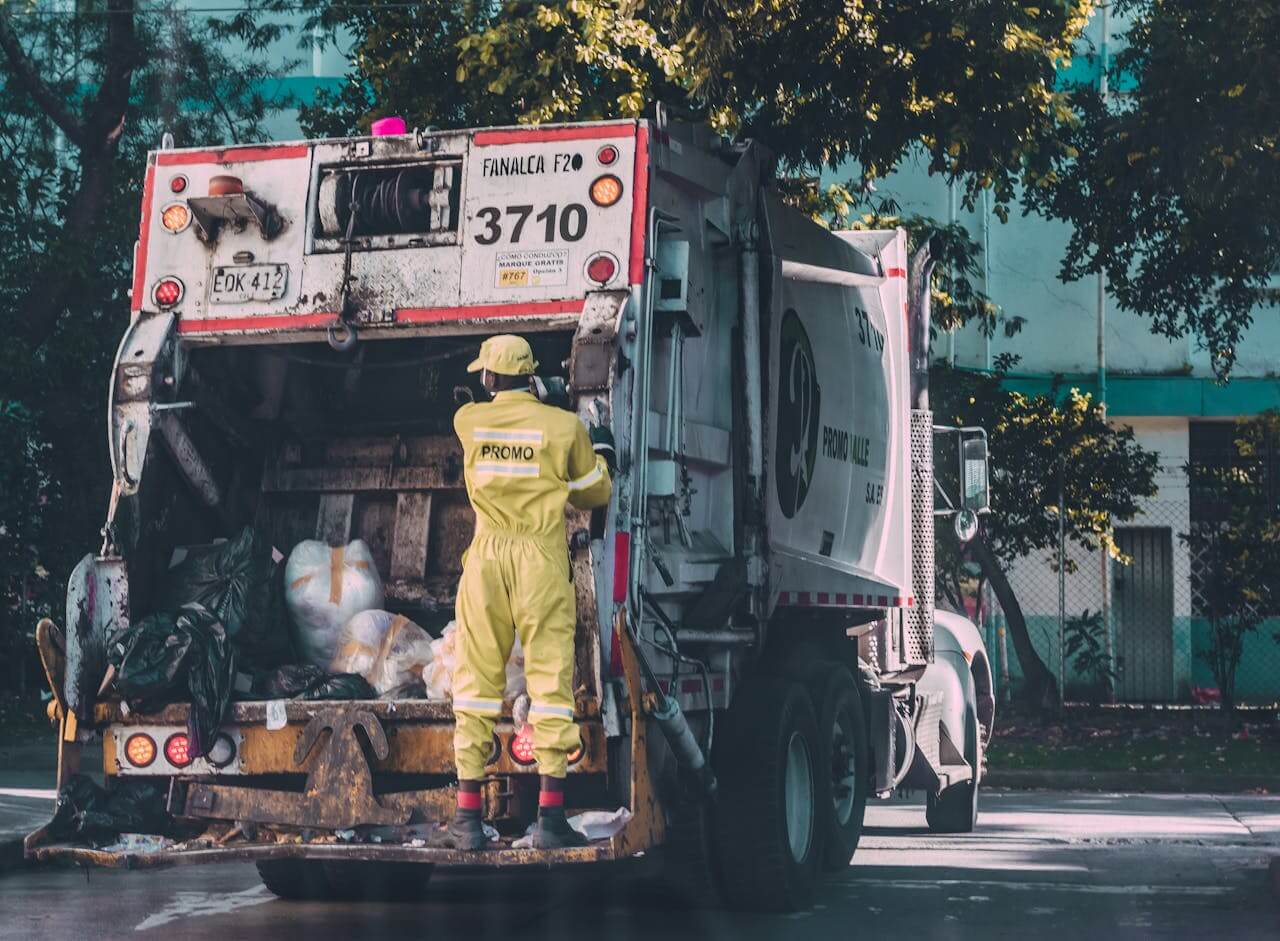
Proper solid waste management is essential for environmental sustainability and community health. At Allon Consulting, we design and construct integrated solid waste management systems—from collection infrastructure to transfer stations, recycling facilities, and engineered landfills. Our holistic approach considers waste reduction, diversion, and safe disposal, tailored to the unique needs of municipalities, industries, and private clients.
1. Waste Characterization and Planning
We begin by understanding the waste stream:
- Waste Composition Studies
Field sampling and sorting to determine percentages of organics, recyclables, construction debris, and hazardous waste. - Generation Rates
Forecasting current and future waste volumes to size infrastructure. - Regulatory Framework
Compliance with local, provincial/state, and federal solid waste regulations.
2. Collection and Transport Infrastructure
Efficient collection is the foundation of any waste system:
- Container Systems
Design of curbside bins, dumpsters, and roll‑off containers sized for residential, commercial, and industrial needs. - Collection Vehicle Routes
Optimization of routes to minimize fuel use and emissions; we use routing software to balance workload. - Transfer Stations
Facilities where collection vehicles deposit waste for consolidation and transport to final disposal. We design:- Direct tip – waste pushed into transfer trailers.
- Compactor – compaction to increase density.
- Swing‑floor or walking floor – for large volumes.
- Environmental controls – odor suppression, dust control, and runoff management.
3. Recycling and Material Recovery Facilities (MRFs)
We design facilities that recover recyclable materials:
- Single‑Stream MRF
Conveyors, screens (disc, trommel), magnetic separators, eddy current separators, optical sorters, and balers to separate paper, plastics, metals, glass. - Construction & Demolition (C&D) Recycling
Processing of concrete, asphalt, wood, metals, and drywall. We include crushing equipment, screens, and air classifiers. - Organics Processing
- Composting – windrow or in‑vessel systems for yard waste and food scraps.
- Anaerobic Digestion – enclosed tanks that generate biogas while producing digestate for soil amendment.
4. Landfill Design and Construction
For residual waste requiring disposal, we engineer modern sanitary landfills with environmental safeguards:
4.1 Site Selection and Permitting
- Hydrogeological Investigation
Assess soil permeability, depth to groundwater, and proximity to sensitive receptors. - Environmental Impact Assessment
Studies of air quality, noise, traffic, and ecology to secure permits.
4.2 Liner Systems
- Composite Liner
Compacted clay liner (minimum 0.6 m thick, permeability ≤ 1×10⁻⁷ cm/s) overlain by a geosynthetic clay liner (GCL) and a geomembrane (HDPE, 60‑80 mil). Double liner systems for hazardous waste. - Leachate Collection
Granular drainage layer with perforated pipes to collect leachate and prevent buildup. Leachate sumps and pumps.
4.3 Leachate Management
- Leachate Treatment
On‑site treatment (aeration, filtration, membrane) or disposal to municipal sewer under pre‑treatment agreement. - Recirculation
Pumping leachate back into waste to accelerate decomposition and increase landfill gas production.
4.4 Landfill Gas (LFG) Management
- Gas Collection Wells
Vertical or horizontal wells with perforated piping to extract methane and other gases. - Flare or Energy Recovery
Flaring for safety or combustion in engines/turbines for electricity generation. We design gas treatment (condensate removal, blowers).
4.5 Final Cover and Closure
- Cap System
Geomembrane over a gas venting layer, drainage layer, and vegetated soil cover to minimize infiltration and support vegetation. - Post‑Closure Care
Monitoring of groundwater, gas, and cover integrity for 30+ years.
5. Waste‑to‑Energy (WtE)
We evaluate and construct WtE facilities:
- Mass Burn Incineration
Combustion of unsorted waste with energy recovery (steam, electricity). Advanced air pollution control (scrubbers, baghouses) for emissions. - Refuse‑Derived Fuel (RDF)
Processing waste into fuel for cement kilns or dedicated boilers. - Gasification/Pyrolysis
Thermal conversion of waste into syngas, which can be used for energy or chemical production.
6. Construction and Quality Assurance
Our construction services cover:
- Earthworks
Cut and fill, compaction of clay liners, and placement of geomembranes with rigorous QA/QC. - Geomembrane Installation
Certified installers with ultrasonic testing of seams. - Leachate and Gas Systems
Installation of HDPE piping, leak detection, and well development. - Environmental Monitoring
Groundwater monitoring wells, gas monitoring probes, and surface water controls.
7. Safety and Regulatory Compliance
We prioritize safety and environmental protection:
- Construction Safety
Training, PPE, and safety plans for work in confined spaces and around heavy equipment. - Permitting Support
Assistance with environmental permits, solid waste facility permits, and local zoning. - Community Engagement
Public outreach to address concerns and build trust.
8. Typical Projects
- Regional Transfer Station
Designed and built a 1,000 t/day transfer station with odor control, compactors, and truck scales. Reduced haul distances by 60%. - C&D Recycling Facility
Constructed a facility processing 500 t/day of demolition debris, achieving 85% diversion from landfill. - Landfill Expansion
Engineered a 20‑hectare expansion with composite liner, leachate recirculation, and gas‑to‑energy plant generating 3 MW. - Organics Processing Facility
Built an anaerobic digester processing 50,000 t/year of food waste, producing biogas for grid injection and compost for agriculture.
Our solid waste management solutions are designed to be sustainable, cost‑effective, and protective of the environment, helping communities achieve their waste reduction goals.