Wastewater treatment is essential for environmental protection and public health. At Allon Consulting, we design, construct, and upgrade sewage treatment plants (STPs) and effluent treatment plants (ETPs) for municipalities, industries, and private developments. Our solutions are tailored to influent characteristics, discharge standards, and site constraints, incorporating proven technologies and innovative approaches to achieve compliance and sustainability.
1. Preliminary Treatment
Before biological treatment, we remove large solids and grit to protect downstream equipment:
- Screening
Bar screens (manual or mechanical) remove debris, rags, and plastics. Fine screens (2‑6 mm) improve downstream performance. - Grit Removal
Aerated grit chambers or vortex separators remove sand, gravel, and other heavy particles, preventing abrasion and accumulation in tanks. - Flow Equalization
Equalization tanks buffer peak flows, providing a consistent influent to downstream processes and reducing shock loading.
2. Primary Treatment
Primary sedimentation removes settleable solids and floating scum:
- Clarifier Design
Circular or rectangular tanks with mechanical scrapers. Detention time 1.5‑3 hours. We design with baffles and weirs for even flow distribution. - Sludge Collection
Primary sludge (2‑5% solids) is pumped to sludge handling facilities. Scum is skimmed and disposed or processed. - Performance
Typical removal efficiencies: 50‑70% TSS, 25‑40% BOD.
3. Secondary Treatment (Biological)
Secondary treatment uses microorganisms to remove organic matter and nutrients. We select the most suitable process based on flow, land availability, and effluent requirements.
3.1 Conventional Activated Sludge
- Aeration Basins
Diffused or mechanical aeration provides oxygen for microbial growth. Mixed liquor suspended solids (MLSS) typically 2,000‑4,000 mg/L. - Secondary Clarifiers
Separate biomass from treated water. Return activated sludge (RAS) recycled to aeration; waste activated sludge (WAS) sent to sludge handling. - Nutrient Removal
Modified processes (e.g., A²/O, Bardenpho) include anaerobic, anoxic, and aerobic zones to remove nitrogen and phosphorus.
3.2 Extended Aeration
- Single‑stage oxidation ditches or SBRs
Longer solids retention time (SRT) produces less sludge and handles variable loads. Suitable for small to medium flows.
3.3 Moving Bed Biofilm Reactor (MBBR)
- Biofilm Carriers
Plastic media suspended in aeration tanks provide high surface area for biomass growth. Compact footprint, resilient to shock loads.
3.4 Membrane Bioreactor (MBR)
- Membrane Filtration
Submerged or external membranes replace secondary clarifiers. Produces high‑quality effluent (low TSS, turbidity) suitable for reuse.
4. Tertiary Treatment
For stringent discharge permits or water reuse, we add polishing steps:
- Filtration
Sand filters, disc filters, or cloth media filters remove residual suspended solids. - Disinfection
- Chlorination – sodium hypochlorite or chlorine gas with dechlorination (bisulfite) to meet residual limits.
- UV Disinfection – low‑pressure or medium‑pressure UV lamps; no chemical residual, safe for receiving waters.
- Ozonation – strong oxidant for disinfection and micropollutant removal.
- Nutrient Removal
- Phosphorus – chemical precipitation (alum, ferric chloride) with filtration.
- Nitrogen – denitrification filters (deep bed or floating media).
5. Sludge Handling and Management
We design comprehensive sludge handling systems to reduce volume and stabilize residuals:
- Thickening
Gravity belt thickeners, rotary drum thickeners, or dissolved air flotation (DAF) increase solids concentration. - Anaerobic Digestion
Mesophilic or thermophilic digesters reduce volatile solids, produce biogas (methane) for energy recovery, and improve dewaterability. - Dewatering
Centrifuges, belt filter presses, or screw presses produce a cake (15‑30% solids) for disposal or beneficial use. - Biosolids Disposal/Reuse
Options include land application (Class A or B biosolids), incineration, or landfill.
6. Industrial Effluent Treatment (ETP)
Industrial wastewater varies widely; we design custom solutions:
- Pretreatment
Oil/water separators, equalization, pH adjustment, and chemical precipitation for metals. - Biological Treatment
Tailored to specific contaminants: anaerobic treatment for high‑strength organic waste, activated sludge for mixed industrial streams. - Advanced Oxidation
Ozone, hydrogen peroxide, or Fenton’s reagent for recalcitrant organics. - Zero Liquid Discharge (ZLD)
Evaporation, crystallizers, and reverse osmosis for complete water recovery.
7. Odor Control
We mitigate odor nuisances with:
- Chemical Scrubbers
Packed towers with sodium hydroxide or hypochlorite for H₂S removal. - Biofilters
Organic media beds where microorganisms degrade odorous compounds. - Activated Carbon
Adsorption for final polishing.
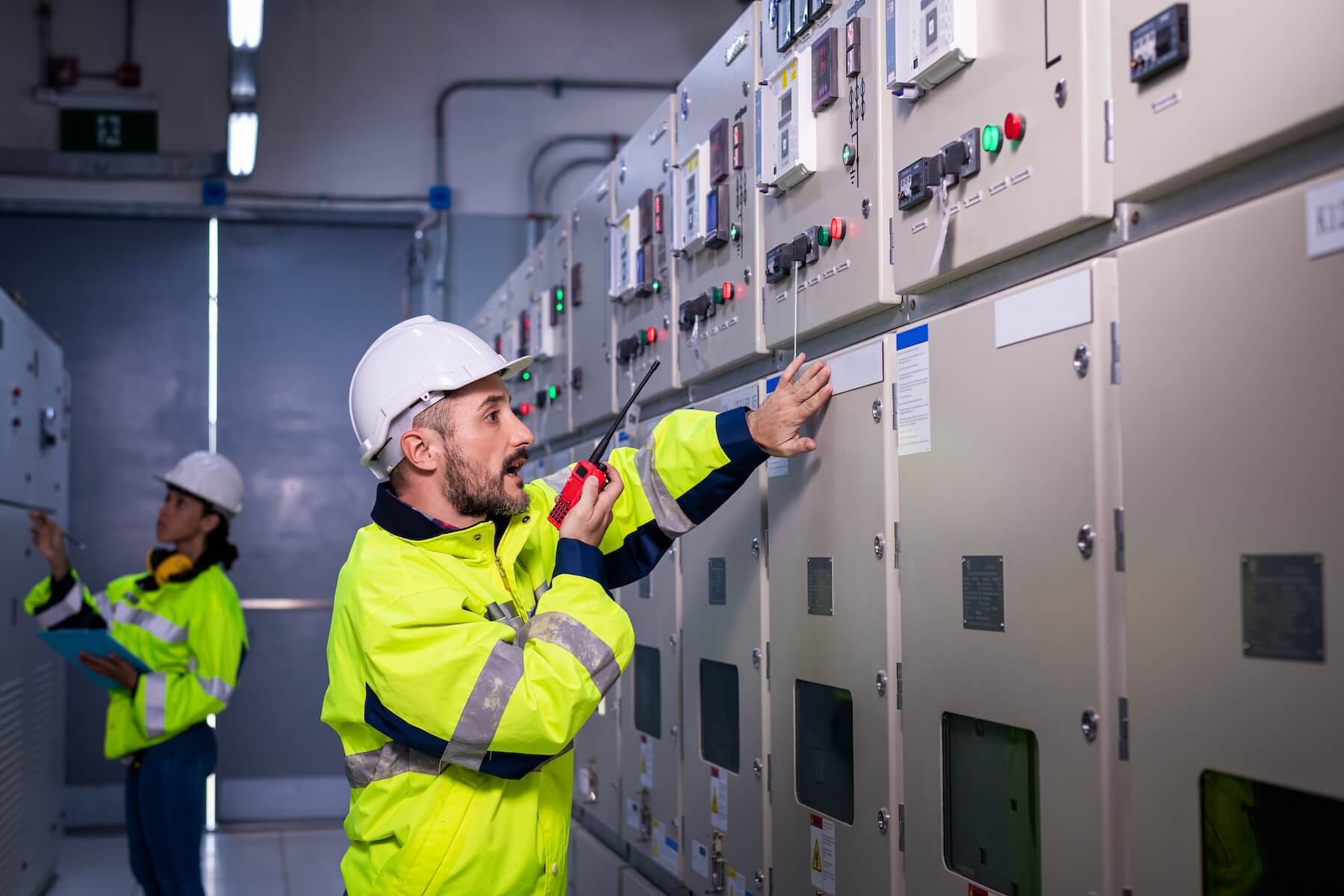
8. Instrumentation and Controls
We integrate advanced automation:
- SCADA Systems
Remote monitoring and control of pumps, blowers, chemical feed, and process variables. - Online Analyzers
DO, pH, ORP, turbidity, ammonia, and phosphorus sensors for process optimization. - Energy Management
VFDs on blowers and pumps, and biogas utilization for combined heat and power (CHP).
9. Construction and Commissioning
Our turnkey approach includes:
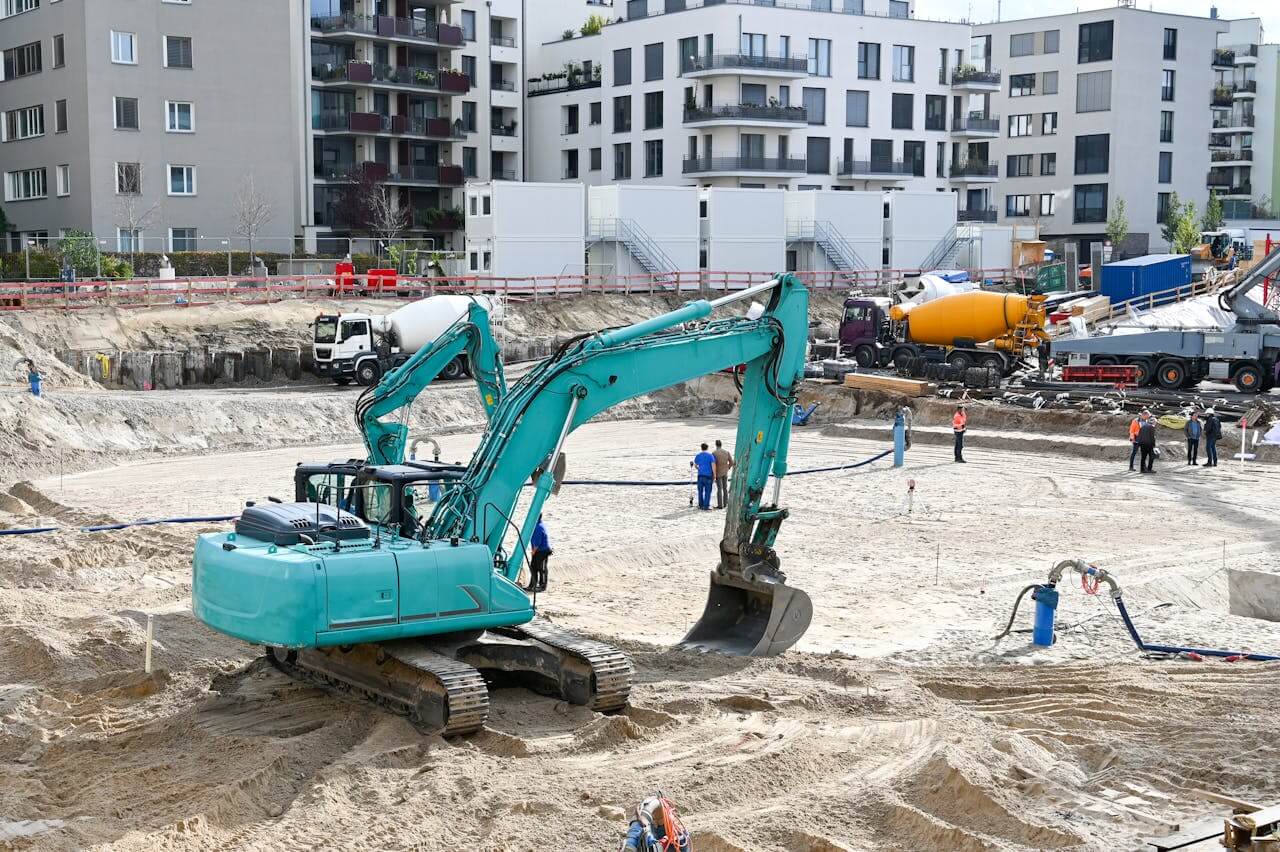
- Civil Works
Concrete tanks, buildings, and site civil works with proper waterproofing and corrosion protection. - Mechanical Installation
Pumps, mixers, blowers, screens, and piping systems with corrosion‑resistant materials. - Electrical and Instrumentation
Motor control centers, PLC panels, and field wiring. - Start‑up and Testing
We provide operator training, process optimization, and performance testing to demonstrate compliance.
10. Typical Projects
- Municipal STP Upgrade
Expanded capacity from 10 to 20 MLD, adding MBBR process and UV disinfection. Achieved < 10 mg/L BOD, < 10 mg/L TSS, and ammonia removal. - Food Processing ETP
Designed an anaerobic‑aerobic treatment system with biogas capture, reducing BOD from 5,000 mg/L to < 50 mg/L. Biogas used for boiler fuel. - Decentralized STP for Residential Development
Package MBR plant serving 500 homes, with effluent reused for irrigation. No discharge to watercourses. - Sludge Management Facility
Constructed anaerobic digesters and dewatering centrifuge, reducing sludge volume by 80% and generating 150 kW of renewable electricity.
Our sewage and effluent treatment expertise ensures that your facility meets regulatory requirements, operates reliably, and minimizes environmental footprint.