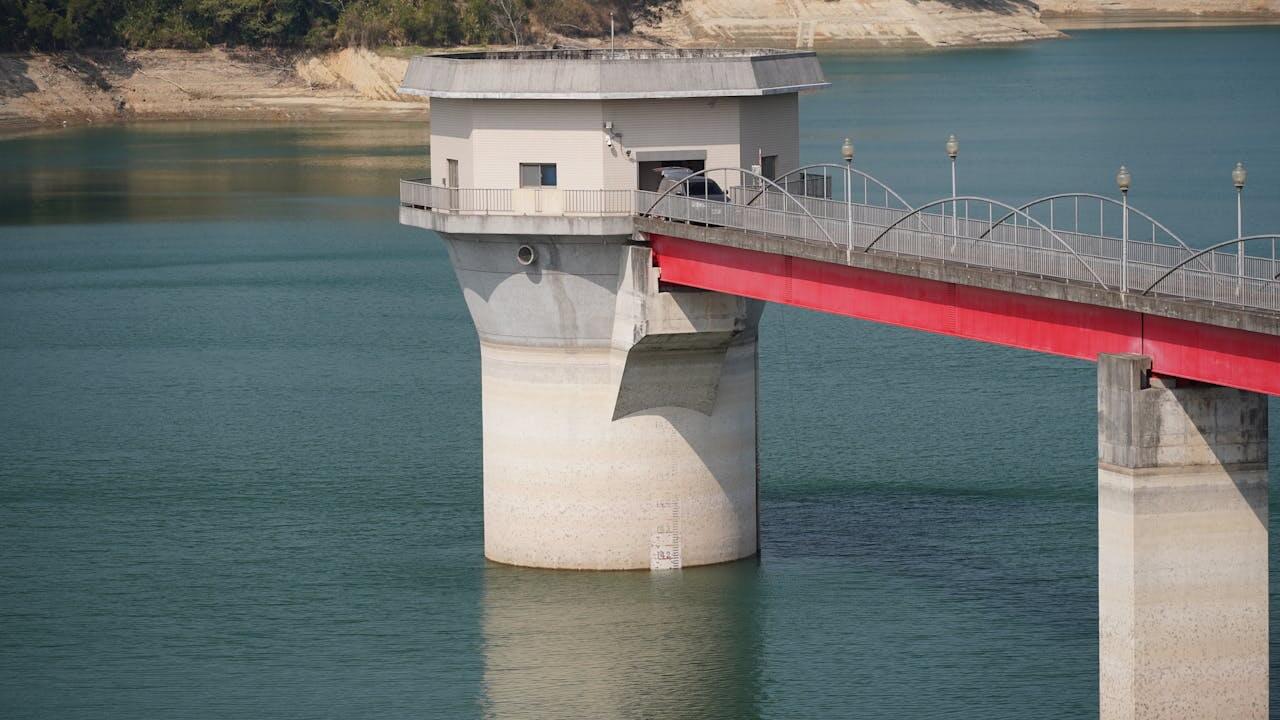
A properly designed wastewater distribution network—commonly called a sanitary sewer system—is essential for protecting public health and the environment. At Allon Consulting, we design, construct, and rehabilitate sewer collection systems that safely convey wastewater from homes, businesses, and industries to treatment facilities. Our expertise covers gravity sewers, force mains, lift stations, and all associated appurtenances, ensuring systems are cost‑effective, durable, and compliant with stringent environmental regulations.
1. Collection System Design Principles
Wastewater collection systems must accommodate peak flows, prevent blockages, and minimize infiltration and inflow (I/I). Our design approach is guided by:
- Hydraulic Capacity
Using Manning’s equation and rational method, we size pipes to handle peak wet weather flows, including extraneous flows from inflow. Minimum self‑cleaning velocities (0.6 m/s at design flow) are maintained. - Gravity versus Pressure
Gravity sewers are preferred where topography permits. Where grades are flat or uphill, we design force mains with lift stations. - System Layout
Looped or branched networks optimized to minimize depth and trench length while serving all properties. - Regulatory Compliance
Adherence to local sewer use bylaws, design standards (e.g., ASCE Manual No. 60), and environmental permits.
2. Gravity Sewers
Gravity sewers rely on slope to transport wastewater. Our design and construction services include:
2.1 Pipe Materials and Selection
- Polyvinyl Chloride (PVC)
AWWA C900 or ASTM D3034 (solid wall) for diameters 100–600 mm. Smooth interior provides excellent flow characteristics; gasketed joints resist infiltration. - High‑Density Polyethylene (HDPE)
Used for trenchless installations or where flexibility is required. Butt‑fused joints create leak‑free systems. - Vitrified Clay Pipe (VCP)
Traditional material with high chemical resistance; used where specified. - Ductile Iron (DI)
For deep installations, high loads, or where extra strength is needed.
2.2 Pipe Laying and Backfill
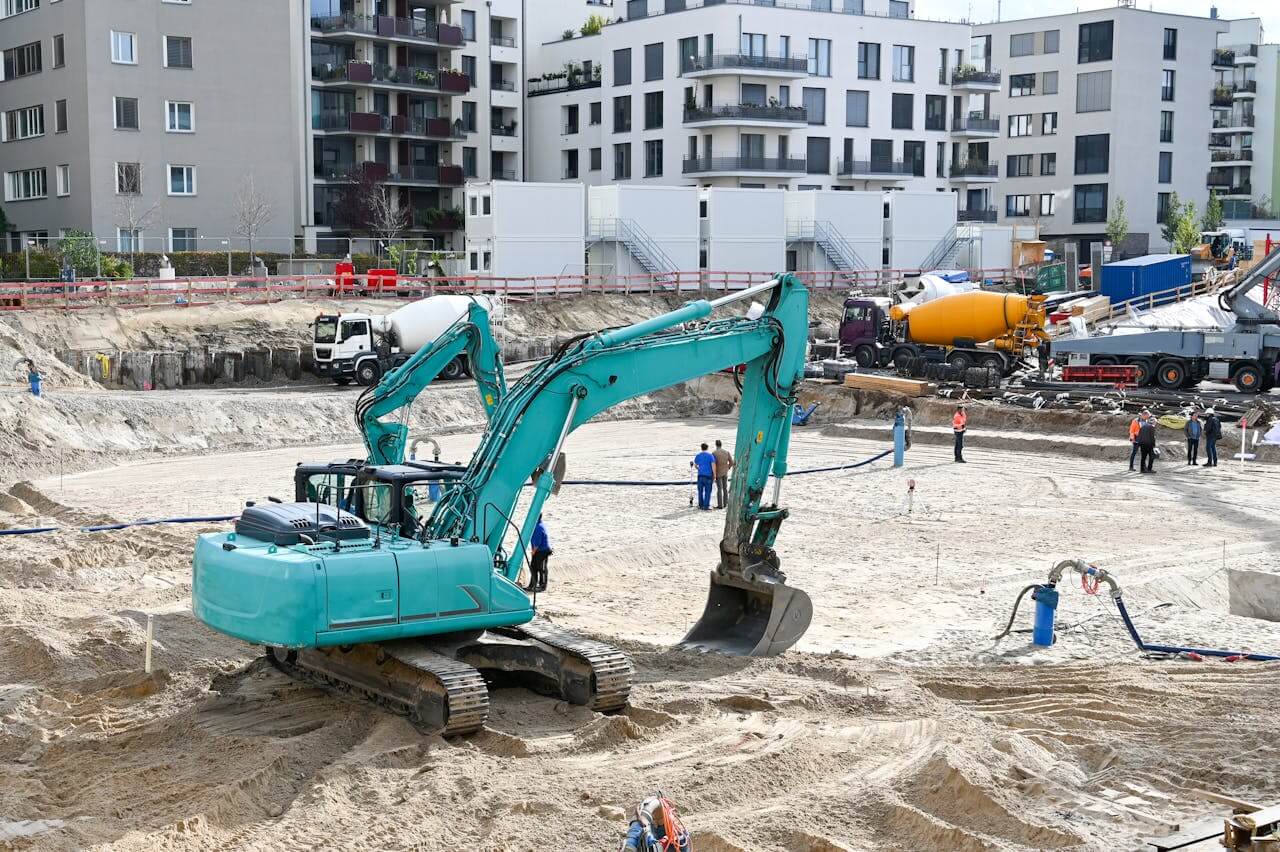
- Trench Preparation
Excavation with proper shoring. Bedding of granular material to uniform grade. - Jointing and Alignment
Laser or GPS guidance ensures accurate grade (± 5 mm). Joints assembled per manufacturer specifications. - Backfill and Compaction
Select material placed in lifts and compacted to avoid pipe deflection. Testing ensures structural integrity. - Manhole Installation
Precast concrete manholes with steps, channels, and drop structures as needed. Manhole spacing typically 90–120 meters. Watertight seals and corrosion‑resistant coatings applied.
2.3 Inspection and Testing
- Mandrel Testing
Ensures pipes maintain shape and grade. - Low‑Pressure Air Testing
Gravity lines are tested for leakage (infiltration/exfiltration) per ASTM C828 or local standards. - CCTV Inspection
Post‑construction video inspection documents internal condition and identifies any defects.
3. Force Mains and Lift Stations
When topography or depth makes gravity sewers impractical, we design pumping systems.
3.1 Lift Station Design
- Wet Well Configuration
Circular or rectangular wells sized to provide adequate storage and pump cycling. Pre‑cast concrete or fiberglass structures with corrosion‑resistant coatings. - Pump Selection
Submersible non‑clog pumps (flygt, KSB, etc.) designed for solids handling (up to 75 mm). We size pumps for peak flow, total dynamic head, and frequent starts/stops. - Controls and Automation
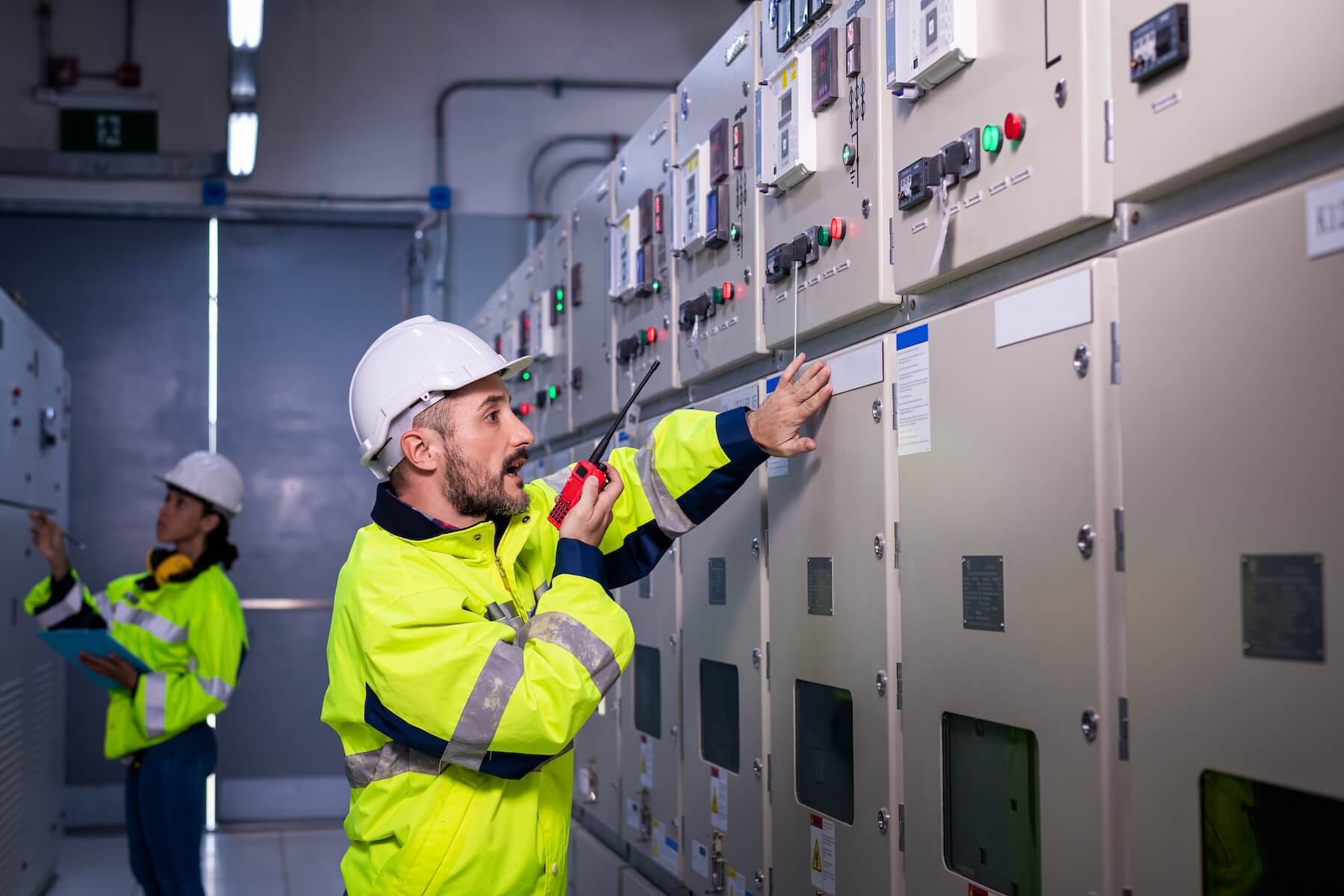
Level sensors (ultrasonic, pressure, or float switches) control pump operation. Variable frequency drives (VFDs) optimize energy use and reduce water hammer. Telemetry (SCADA) provides remote alarms and data. - Emergency Power
Standby generator with automatic transfer switch ensures operation during power outages. - Odor Control
Chemical dosing (e.g., hydrogen peroxide, chlorine) or activated carbon scrubbers to manage hydrogen sulfide emissions.
3.2 Force Main Design
- Pipe Materials
High‑pressure PVC, HDPE, or ductile iron with appropriate pressure class. Joints designed for pressure and surge. - Surge Analysis
Transient analysis (using software like HAMMER) to design surge protection: air/vacuum valves, surge tanks, or controlled pump ramp‑down. - Air Release Valves
Placed at high points to prevent air binding and maintain efficiency. - Scour Valves
Installed at low points for draining during maintenance.
4. Inflow and Infiltration (I/I) Reduction
Excessive I/I overloads treatment plants and causes sanitary sewer overflows. We address I/I through:
- Condition Assessment
Smoke testing, dye testing, and CCTV inspection to identify sources: cracked pipes, faulty manholes, illegal connections. - Rehabilitation Technologies
Cured‑in‑place pipe (CIPP), slip lining, pipe bursting, and manhole rehabilitation to seal leaks. - Sewer Separation
In combined systems, separation of stormwater from sanitary flows. - Public Education
Programs to discourage illegal downspout connections and promote proper maintenance.
5. Odor Control and Corrosion Protection
Hydrogen sulfide (H₂S) generated in sewers can cause odor nuisance and concrete corrosion. We employ:
- Chemical Dosing
Injection of oxygen, nitrate, or ferrous chloride to suppress sulfide formation. - Ventilation
Passive or forced ventilation of manholes and lift stations. - Corrosion‑Resistant Materials
Epoxy coatings, PVC liners, or high‑alumina cement for structures. - Biofilters
Packed media filters for odor treatment at lift stations.
6. Trenchless Construction and Rehabilitation
To minimize disruption, we use trenchless methods:
- Horizontal Directional Drilling (HDD)
For crossing rivers, railways, or sensitive areas. - Pipe Bursting
Replaces old pipes by fracturing them while pulling in new HDPE pipe. - Cured‑in‑Place Pipe (CIPP)
Inserts a resin‑saturated liner that cures inside the existing pipe, creating a new seamless pipe. - Slip Lining
Inserting a smaller diameter pipe into the existing pipe.
7. Regulatory Compliance and Permitting
We manage all regulatory aspects:
- Sewer Use By‑laws
Compliance with pretreatment requirements for industrial users. - Environmental Permits
For construction affecting watercourses, wetlands, or sensitive areas. - Discharge Permits
For lift stations and treatment facilities under NPDES or similar programs.
8. Typical Projects
- New Subdivision Sewer Collection
Designed and constructed 12 km of PVC gravity sewers, 450 manholes, and three lift stations for a 500‑lot residential development. Included advanced odor control and SCADA monitoring. - Sewer Rehabilitation Program
Upgraded 25 km of aging clay pipe using CIPP lining and pipe bursting. Reduced I/I by 60%, saving $2 million in treatment costs over 10 years. - Industrial Park Force Main
Installed 5 km of HDPE force main with 1,200 mm diameter, including three submersible pump stations. Surge analysis led to installation of surge tanks, preventing future failures. - Emergency Sewer Overflow Response
Deployed temporary bypass pumping and cleaned blockages after a major storm. Performed CCTV inspection and priority repairs to restore service. - Combined Sewer Overflow (CSO) Control
Designed and constructed a storage tunnel and real‑time control system to reduce CSO events by 85% in a mixed watershed.
Our wastewater distribution network services are built on technical rigor and a commitment to environmental stewardship. We ensure that every sewer project—from small lateral connections to regional trunk mains—is executed with precision, safety, and long‑term performance in mind.