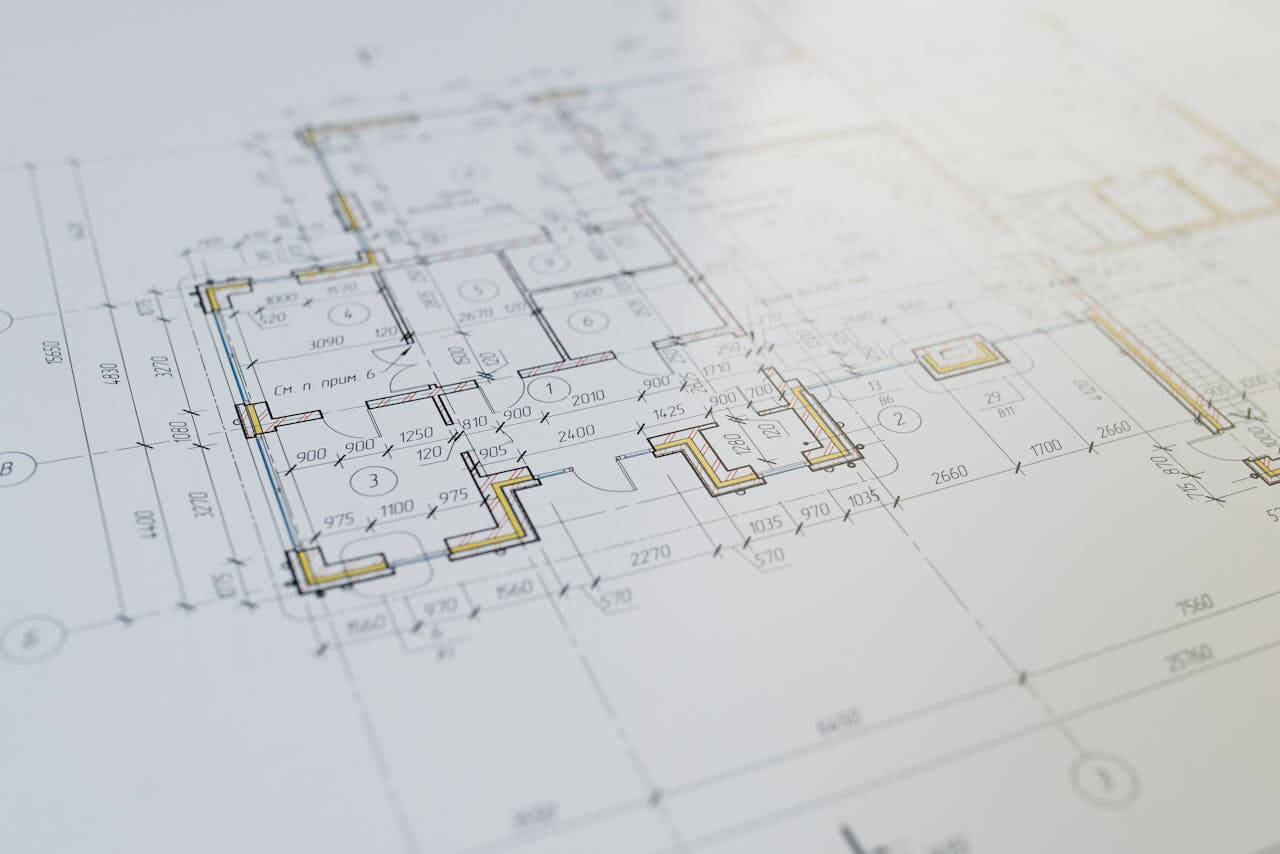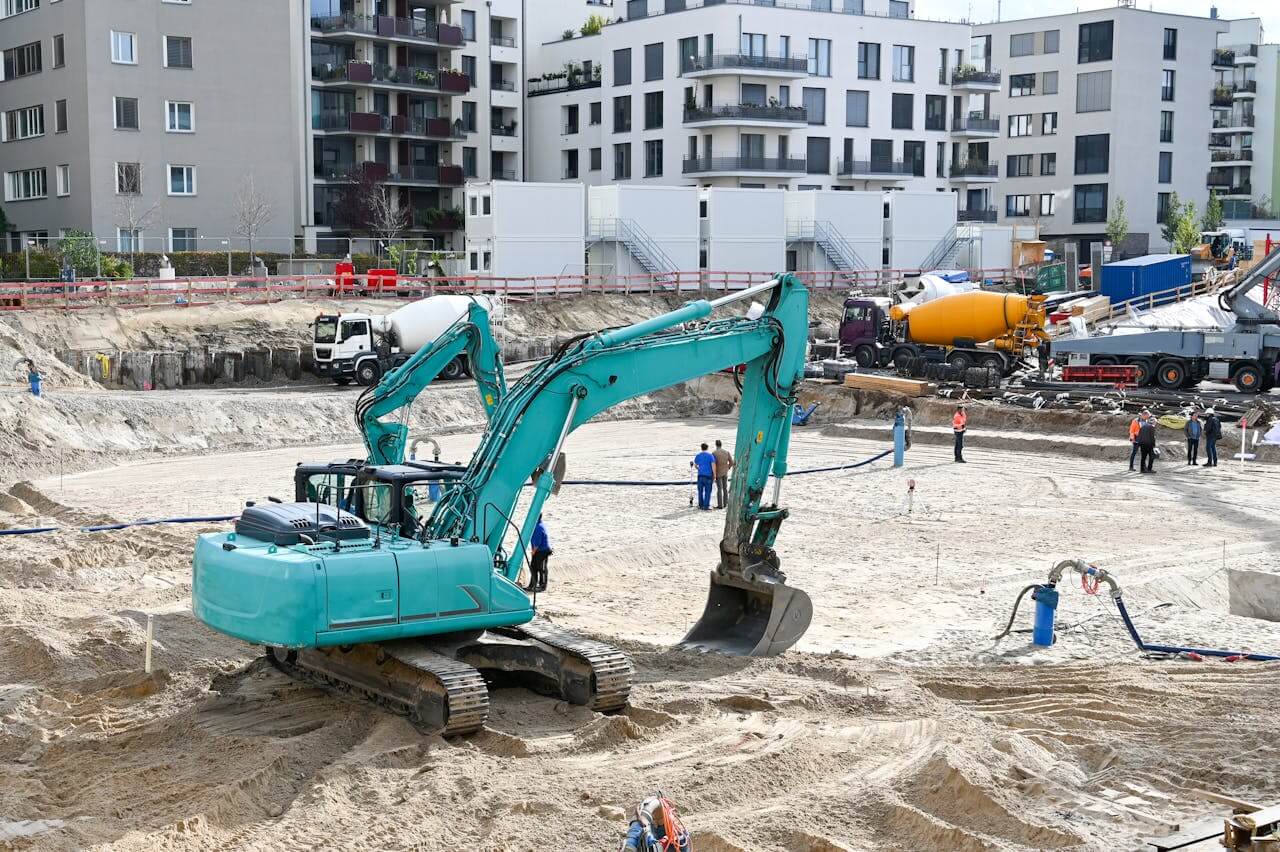
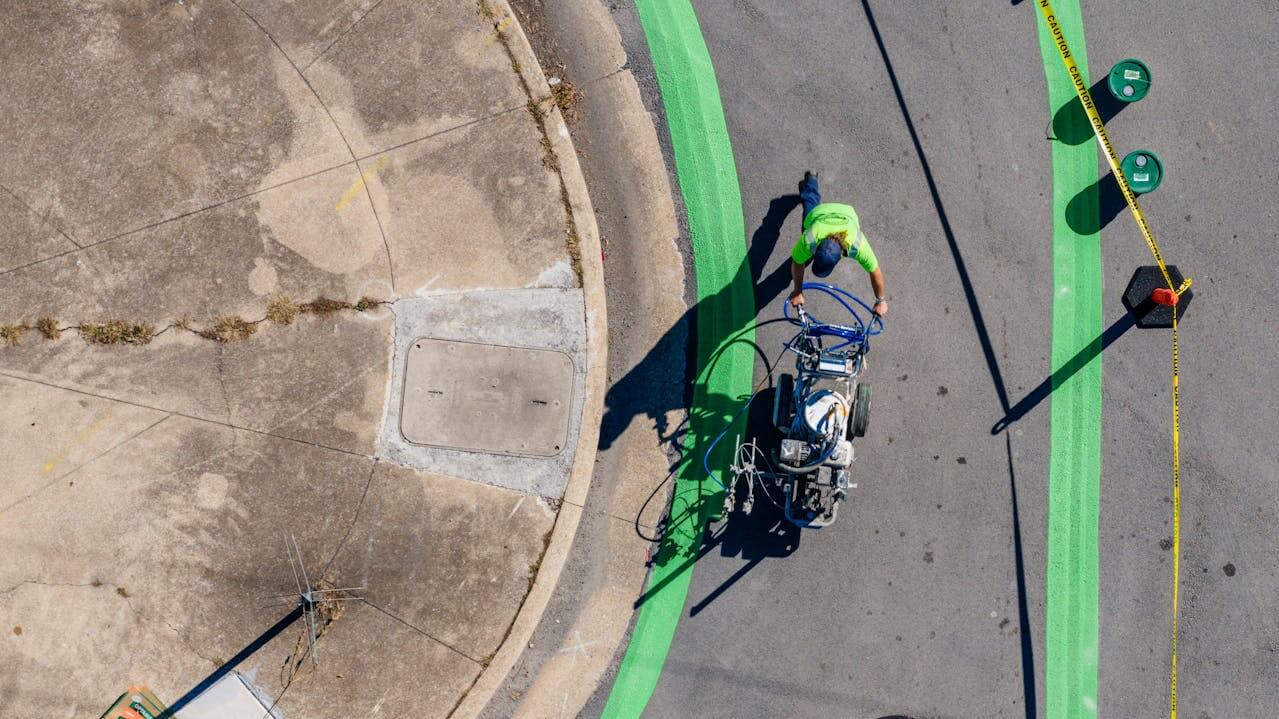
Roads are the arteries of any development, providing access, mobility, and economic vitality. At Allon Consulting, we deliver high‑quality road construction services for both external highways and internal site roads. Our approach integrates geotechnical investigation, pavement design, drainage, and traffic engineering to produce durable, safe, and cost‑effective road networks. From rural access roads to urban arterial streets, we ensure every project meets or exceeds client expectations and regulatory standards.
1. Project Planning and Investigation
Before breaking ground, we conduct thorough investigations to inform design and construction:
- Topographic Survey
Using GPS and UAV (drone) technology, we map existing ground contours, property boundaries, and utility locations. Digital terrain models (DTMs) guide earthwork calculations. - Geotechnical Investigation
We drill boreholes and test pits to characterize subsurface conditions: soil classification, bearing capacity, plasticity, and groundwater levels. Laboratory tests (CBR, triaxial, consolidation) determine strength and compressibility. - Traffic Analysis
For external roads, we analyze current and projected traffic volumes, vehicle types, and growth rates. This data drives pavement thickness and geometric design. - Environmental Assessment
We identify wetlands, watercourses, and sensitive habitats, and develop mitigation measures to minimize ecological impact.
2. Geometric Design
We design road alignments that balance safety, efficiency, and constructability:
- Horizontal Alignment
Curves with superelevation to accommodate design speed. Spiral transitions where needed. Minimum radii based on speed and terrain. - Vertical Alignment
Grades optimized to balance cut and fill, while providing adequate sight distance. Crest and sag curves designed to ensure driver comfort and stopping sight distance. - Cross‑Section Elements
Lane widths, shoulders, sidewalks, bike lanes, and median design per applicable standards (AASHTO, municipal guidelines). We consider drainage, utilities, and future expansion. - Intersection Design
Turn lanes, channelization, roundabouts, and traffic signals designed to maximize capacity and safety.
3. Pavement Design
We design both flexible (asphalt) and rigid (concrete) pavements based on soil conditions, traffic, and lifecycle cost analysis.
3.1 Flexible Pavement (Asphalt)
- Subgrade Preparation
Compaction of native soil to ≥ 95% of maximum dry density (modified Proctor). Weak subgrades may be stabilized with lime, cement, or geotextiles. - Base and Subbase Layers
Granular materials (crushed stone, gravel) placed and compacted in lifts. Thicknesses determined by mechanistic‑empirical methods (e.g., AASHTO 93 or mechanistic‑empirical pavement design). - Asphalt Layers
Hot mix asphalt (HMA) placed as binder course and surface course. We specify polymer‑modified asphalt for high‑traffic areas. Joints, tack coats, and compaction monitored for density and smoothness. - Pavement Thickness
Typical sections range from 150 mm to 450 mm total thickness, depending on traffic classification (e.g., residential street vs. heavy truck route).
3.2 Rigid Pavement (Concrete)
- Subbase
Uniform, well‑drained granular layer to prevent pumping and provide stable support. - Joint Design
Transverse contraction joints (sawed or formed) control cracking. Load transfer devices (dowels) used at joints to reduce faulting. - Concrete Mix
High‑strength concrete (minimum 28‑day flexural strength of 4.5 MPa) with air entrainment for freeze‑thaw durability. Fibers or reinforcement added as required. - Surface Finishes
Broom finish for skid resistance; texturing for noise reduction.
4. Earthworks and Subgrade Preparation
Proper earthworks are critical to pavement performance:
- Clearing and Grubbing
Removal of vegetation, topsoil, and unsuitable materials. Stockpiling of topsoil for later landscaping. - Excavation and Fill
Bulk earthmoving to achieve design grades. Cut and fill balanced where possible to minimize haul distances. - Compaction
Rollers (vibratory, pneumatic) used to achieve specified density. In‑place density testing (nuclear gauge, sand cone) ensures compliance. - Subgrade Improvement
For soft or organic soils, we use wick drains, surcharging, or chemical stabilization (lime, cement, fly ash). Geogrids or geotextiles may be placed to reinforce the subgrade.
5. Drainage Systems
Effective drainage extends pavement life and prevents hydroplaning:
- Surface Drainage
Crown and cross‑slopes (typically 2%) direct water to curb and gutter or roadside ditches. - Curb and Gutter
Concrete or asphalt curbs capture runoff and channel it to catch basins. Inlet spacing designed for design storm (e.g., 10‑year or 25‑year event). - Storm Sewers
Pipe networks with catch basins, manholes, and outfalls convey water away from the roadway. Hydraulic calculations ensure adequate capacity. - Underdrains
Perforated pipes in granular trenches remove subsurface water from pavement structure, reducing frost heave and moisture damage.
6. Pavement Construction and Quality Control
We oversee every phase to ensure quality:
- Material Testing
Aggregate gradation, asphalt binder content, and concrete slump tested on‑site. Density and thickness verified by independent laboratories. - Paving Operations
Asphalt paver with automated screed control; concrete slip‑form pavers for rigid pavement. Smoothness measured with profilers (IRI). - Compaction
Density monitored during placement; nuclear gauges used for asphalt and granular layers. - Joint Sealing
Hot‑poured sealants in asphalt joints; silicone or preformed seals in concrete joints to prevent water infiltration.
7. Safety Features and Traffic Control
We incorporate features to protect users and workers:
- Traffic Control Plans
During construction, we develop and implement lane closures, detours, and signage per Manual on Uniform Traffic Control Devices (MUTCD). - Permanent Safety Features
Guardrails, crash barriers, lighting, and signage installed per design. Reflective pavement markings and raised pavement markers enhance nighttime visibility.
8. Quality Assurance and Testing
Throughout construction, we conduct rigorous testing:
- In‑Place Density – nuclear gauge for subgrade and base.
- Pavement Smoothness – inertial profiler for IRI (International Roughness Index).
- Concrete Strength – cylinder tests and flexural beam tests.
- Asphalt Content – ignition oven or nuclear gauge.
- Thickness Verification – coring or non‑destructive testing (GPR).
9. Typical Projects
- Highway 401 Expansion
24 km of widening from four to six lanes, including 10 bridges, extensive drainage, and asphalt pavement designed for heavy truck traffic (AADT > 40,000). Completed ahead of schedule with zero incidents. - Industrial Park Internal Roads
Constructed 8 km of concrete roads with heavy‑duty pavements (300 mm concrete over 200 mm granular) to accommodate container trucks and mobile cranes. - Rural Access Road
Upgraded 15 km of gravel road to paved standard (2‑lane asphalt) with improved drainage and culverts. Reduced travel time for remote communities by 40%. - Urban Street Reconstruction
Replaced aging utilities, installed separated bike lanes, and reconstructed pavement with permeable pavers for stormwater management. Enhanced pedestrian safety with curb extensions and raised crosswalks.
Our road construction services are built on a foundation of technical excellence, safety, and long‑term durability. We work collaboratively with owners, designers, and stakeholders to deliver roads that serve communities for decades.